
OGSolarStore
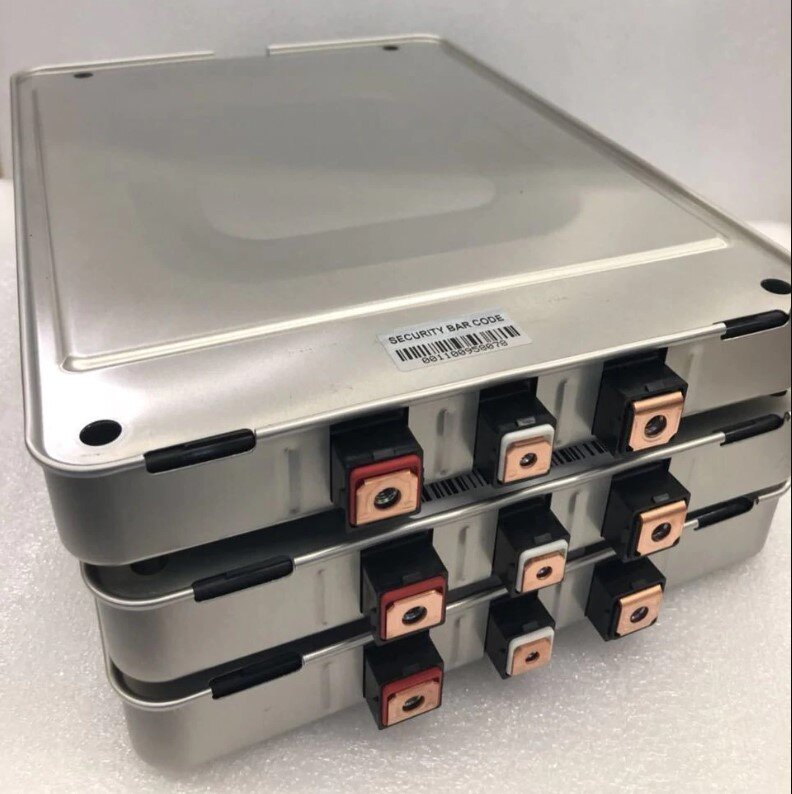
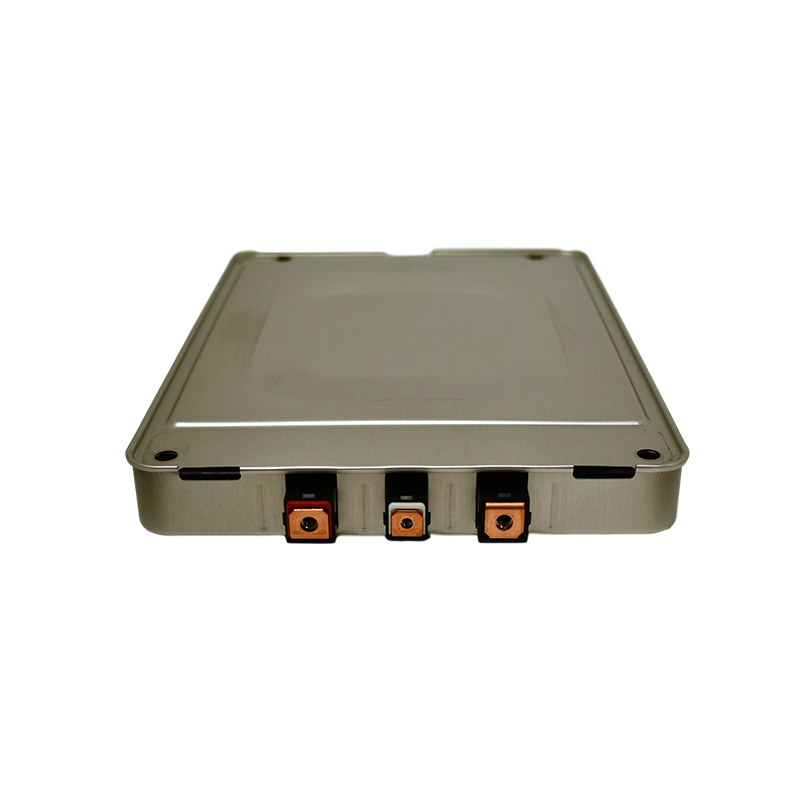
Nissan LEAF - Set of 7 Modules - Lithium-ion LMO Battery
Nissan LEAF - Set of 7 Modules - Lithium-ion LMO Battery
Couldn't load pickup availability
- Ships within 3 business days
- Tested before shipping
- US Stock
Quantity 1 = a set of 7 modules, so Qty can make a 7S1P 51V pack
Most popular build: 10 kWh / 51V pack
28 modules in a 7s4p configuration (14s8p at the cell level). Pairs directly with our matched Busbar Kit and a BMS. Don't forget the BMS, the pack will not balance without one.
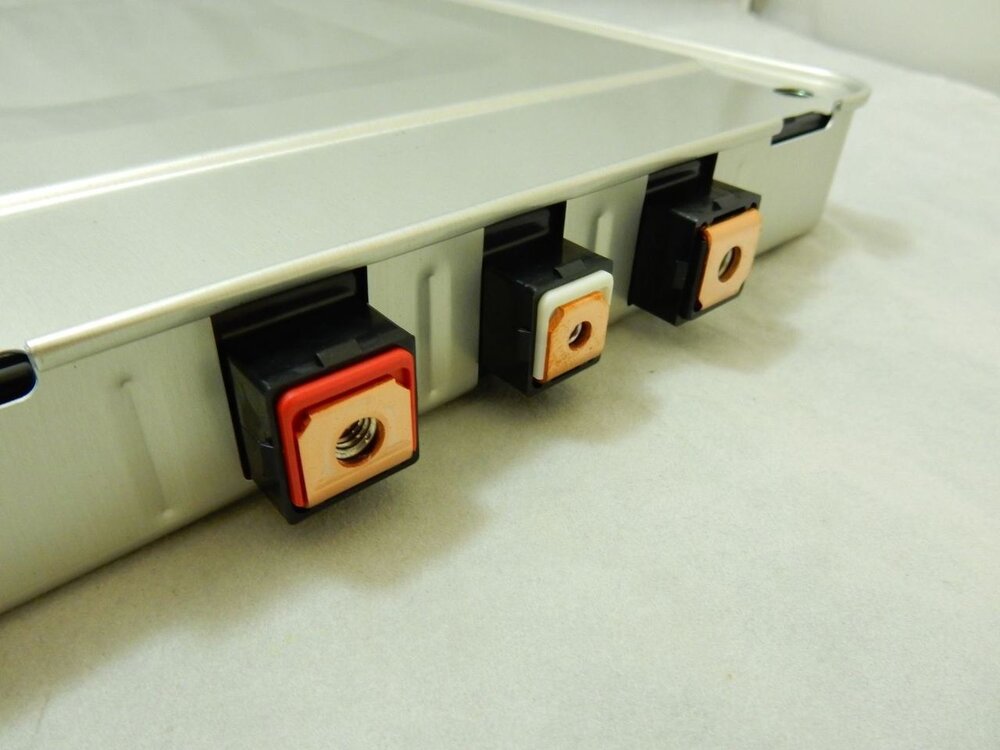
Used Nissan LEAF modules are one of the most flexible building blocks for off-grid and DIY storage. Each module is a 2s2p pack of LMO pouch cells. State of Health typically ranges from 65 to 75 percent.
- 7 modules in series gives a 51 Vdc nominal 48V pack
- Maximum recommended modules in parallel per BMS is 6 sets
- Buy multiple sets to scale capacity at the same voltage
Build Your Pack: Required and Recommended Hardware
Pick the busbars and plates that match your layout. Most builds use the all-in-one Busbar Kit. Custom layouts may need terminal busbars, center taps, or flexible jumpers separately.


Module Specifications
- Model: Nissan Leaf
- Original Application: EV
- Chemistry: LMO
- Manufacturer: Nissan / Mitsubishi
- Cell OEM: AESC
- Nominal Voltage: 7.5 V (often listed as 7.3 V)
- Form Factor: 2s2p module
- Nameplate Capacity: 66.67 Ah / 0.5 kWh
- State of Health (typical): 65 to 75 percent
Visit the Technical Resources Page for full specifications, datasheets, and wiring diagrams.
Common Pack Configurations
Each module is roughly 7.3 to 7.5 V nominal. Combine in series for common system voltages:
- 48V system: 7 modules in series, about 51 V nominal. Most common build.
- 24V system: 3 to 4 modules in series, about 22 to 29 V. 4 modules can run high for some 24V inverters at full charge.
- 96 to 120V (motorcycles, boats, small EVs): 12 to 16 modules in series.
- EV packs (stock Leaf): 48 modules, about 360 to 400 V.
- Custom high voltage EV builds: 54 to 60 modules, 400 V and up.
To increase capacity at a fixed voltage, parallel additional sets. Six parallel sets is the practical upper limit per BMS channel.
⚡ Charging & Safety — Important Guidelines
These modules are second-life LMO lithium-ion pouch cells. Follow these guidelines to charge safely and maximize pack life. Confirm all settings with your specific BMS and inverter documentation before commissioning.
Charge Voltage
- Long-cycle target: 4.1 V per cell (rather than the absolute maximum of 4.2 V) to extend cycle life.
- 7S pack (48V system): ~57.4 V absorb voltage at 4.1 V/cell; set float a few tenths lower.
- Never exceed 4.2 V per cell. Overcharge on LMO chemistry can be dangerous. Your BMS must enforce this cutoff.
- Always verify these numbers against your BMS datasheet and inverter settings — do not rely on this page alone.
Required BMS Type
- A cell-level balancing BMS is required — not optional. LMO chemistry drifts out of balance over time and is dangerous if cells are overcharged.
- The BMS must monitor 14 cell channels for a 7S module pack (each module is 2s2p, so 7 modules = 14S at the cell level).
- Use the Center Tap Busbars to give the BMS access to the midpoint sense lead between the two cell groups in each module. Missing this sense lead means the BMS cannot see individual cell voltages accurately.
- Browse compatible BMS options →
Temperature & Storage Cautions
- Do not charge below freezing (0 °C / 32 °F). Charging cold lithium cells causes lithium plating and permanent damage.
- Store modules at a partial state of charge (roughly 40–60%) if not in use for extended periods.
- Pouch cells swell under heat and mechanical stress — always use Compression Plates to maintain even pressure and limit swelling.
- Keep the pack away from flammable materials and ensure adequate ventilation in the enclosure.
For full datasheets, wiring diagrams, and additional safety documentation, visit the Technical Resources Page.
Frequently Asked Questions
Do I really need a BMS?
Yes. LMO chemistry will drift out of balance over time and can be very dangerous by over-charging them. A BMS protects the pack and extends its usable life. Browse BMS options here.
Why is the State of Health 65 to 75 percent?
These are second-life modules pulled from EVs. The remaining capacity is plenty for stationary storage at a fraction of the cost of new cells, and the modules still cycle reliably for years in solar applications.
Can I mix modules with different SoH?
You can, but it is best to group modules with similar SoH in the same parallel set. Large mismatches will cause the weakest module to limit the pack and accelerate uneven aging.
What charge voltage should I use?
For long cycle life, target 4.1 V per cell rather than 4.2 V. On a 7s pack (48V system) that is roughly 57.4 V absorb, with float a few tenths lower. Always confirm with your specific BMS and inverter settings.
Do I need compression plates?
Strongly recommended. Pouch cells like the LEAF benefit from consistent mechanical pressure. Compression plates reduce swelling and improve cycle life.
What is the 14s8p configuration mentioned above?
A single LEAF module is 2s2p at the cell level. A 7s4p module pack is therefore 14s8p at the cell level. So the BMS wall manage 14 cell channels in a 7S arrangement.
Can I parallel more than 6 sets?
It is possible with proper bussing and current sharing, but 6 sets is the recommended ceiling for most BMS units and busbar layouts. Beyond that, split into multiple parallel banks each with its own BMS.
What tools do I need to assemble a pack?
A torque wrench (do not over-tighten the terminals), insulated sockets, a quality multimeter, and a low-voltage cell-level monitor for initial testing. The Busbar Kit handles the connections.
Ready to build?
Add modules to your cart, then grab the matched Busbar Kit, Compression Plates, and a BMS. Questions on sizing? Check the Technical Resources Page.
